Cannabis concentrates 101
The concentrate section can be the most intimidating part of a cannabis menu. Lots of names, big THC numbers, and not much explanation. Here's a friendly map of what's what.
What is a concentrate?
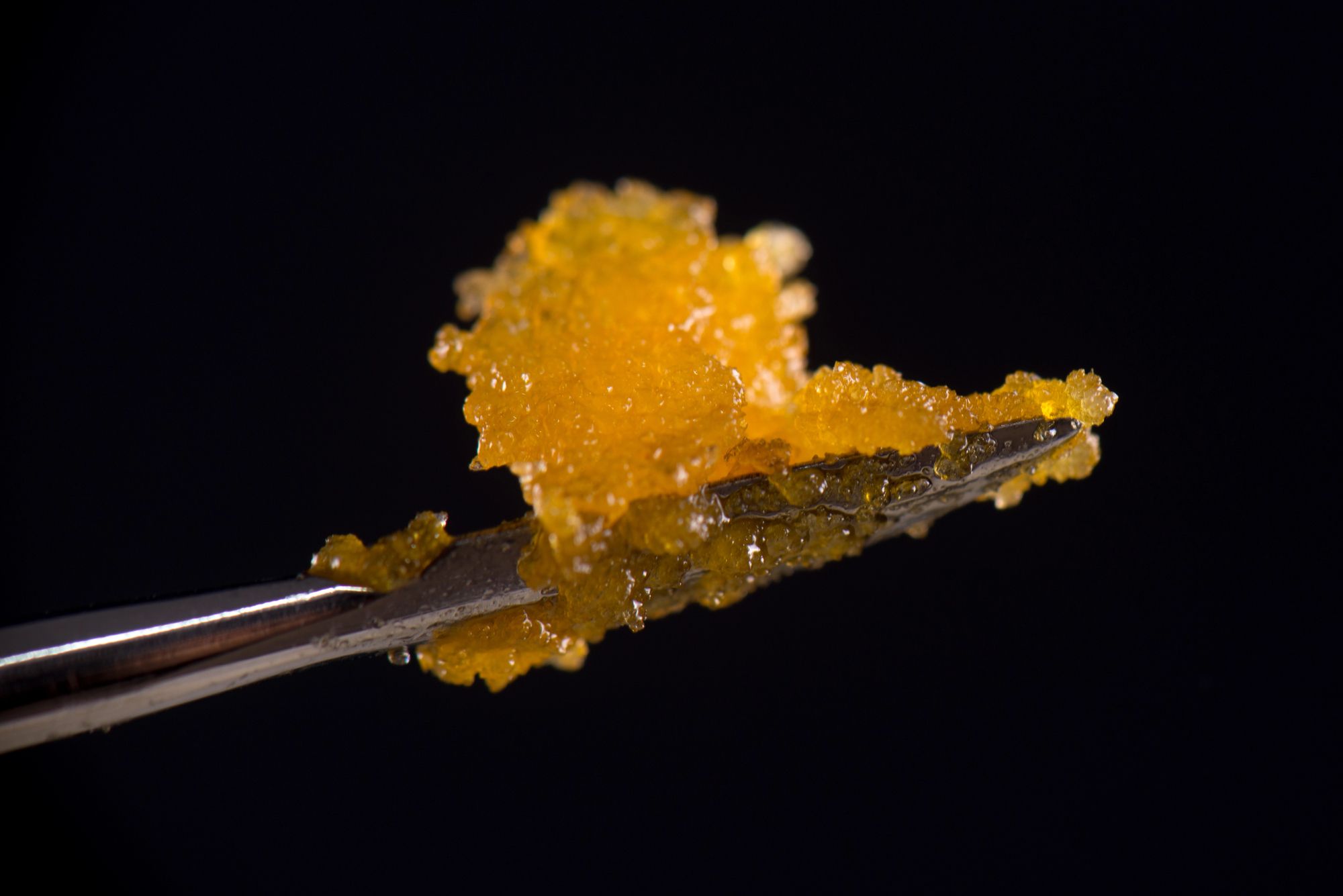
A concentrate is exactly what it sounds like: the good stuff from the cannabis plant (the cannabinoids and terpenes) separated out and concentrated into a much more potent form. Where flower might sit around 20 to 30% THC, concentrates often land between 60 and 90%+. A little goes a long way.
Solvent vs. solventless (the one distinction worth knowing)
Most concentrates fall into one of two camps based on how they're made:
- Solventless uses only heat, pressure, water, or ice to separate the good stuff. Rosin and hash are the headline examples. Nothing is added; it's a more "mechanical" process, which is why solventless products often carry a premium.
- Solvent-based uses a solvent (commonly butane or CO2) to extract the cannabinoids, which is then purged away. Live resin, shatter, badder, and diamonds are made this way. Done properly under licence, the finished product is purged and tested.
Neither is "better," they're just different routes to a concentrate, with different textures, flavours, and price points.
The lineup, in plain terms
- Rosin: solventless, pressed from flower or hash with heat and pressure. Prized for flavour. "Live rosin" starts from fresh-frozen plants for even more aroma.
- Live resin: solvent-based, made from fresh-frozen cannabis, so it keeps a lot of the plant's natural terpenes. Big flavour.
- Diamonds: crystalline THCA, often nearly pure. Some of the strongest stuff on the shelf, frequently sold in a "sauce" of terpenes.
- Badder / budder: whipped into a soft, creamy texture. Easy to handle, good flavour.
- Shatter: a hard, glassy concentrate that snaps. A classic.
- Hash: one of the oldest forms, pressed trichomes. Ranges from traditional pressed hash to modern bubble hash and temple balls.
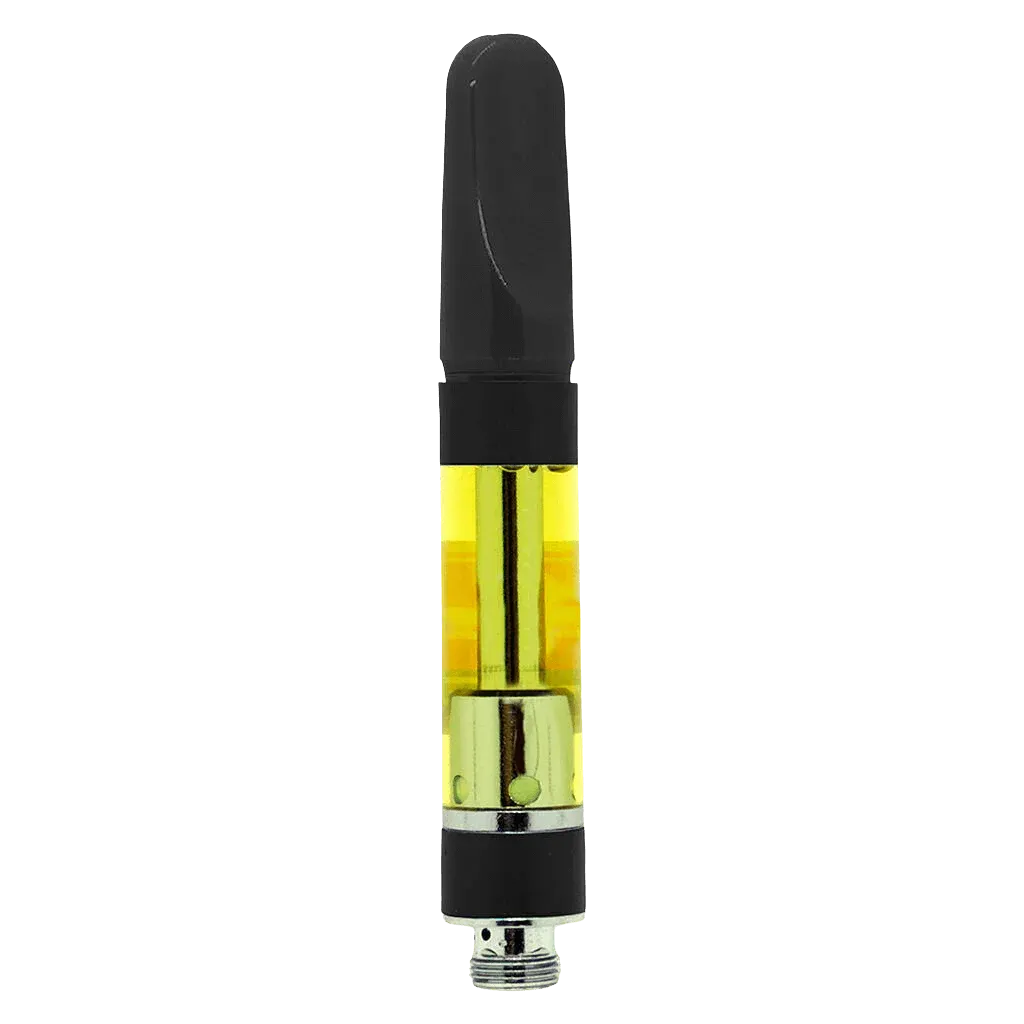
- Distillate: highly refined, very high THC, but stripped of most terpenes, so it's neutral in flavour. The workhorse behind many vapes and infused pre-rolls.
How do people use concentrates?
A few common ways:
- Dabbing: vaporizing a small amount using a dab rig or an electronic device made for it.
- Vaping: many concentrates power vape cartridges and disposables.
- Adding to flower: crumbling a bit into a joint or bowl, or reaching for an infused pre-roll that's already done it for you.
Because concentrates are potent, the usual advice applies: start with a very small amount and see how you feel. Our team can walk you through gear and dosing if you're new to it.
Why the range is so much wider in Ontario
Quebec shoppers tend to notice this one quickly. The SQDC stocks a limited concentrate selection, while Ontario's private retailers carry a deep bench across rosin, live resin, diamonds, badder, shatter, and a real hash range, in more brands and styles. If concentrates are your thing, the choice on this side of the border is in a different league. (Full breakdown on our SQDC comparison page.)
Explore concentrates
See our current concentrate selection online, order for pickup, or visit us in store and ask away.
FAQ
What's the difference between rosin and resin?
Rosin is solventless (made with heat and pressure). Live resin is solvent-based and made from fresh-frozen plants. Both are flavourful; the names are one letter apart but the methods differ.
Are diamonds the strongest concentrate?
They're among the strongest, since they're largely pure THCA. Always start small.
Why does the SQDC carry fewer concentrates than Ontario stores?
Quebec keeps a narrower product range overall. Ontario's private market stocks a much wider concentrate selection.